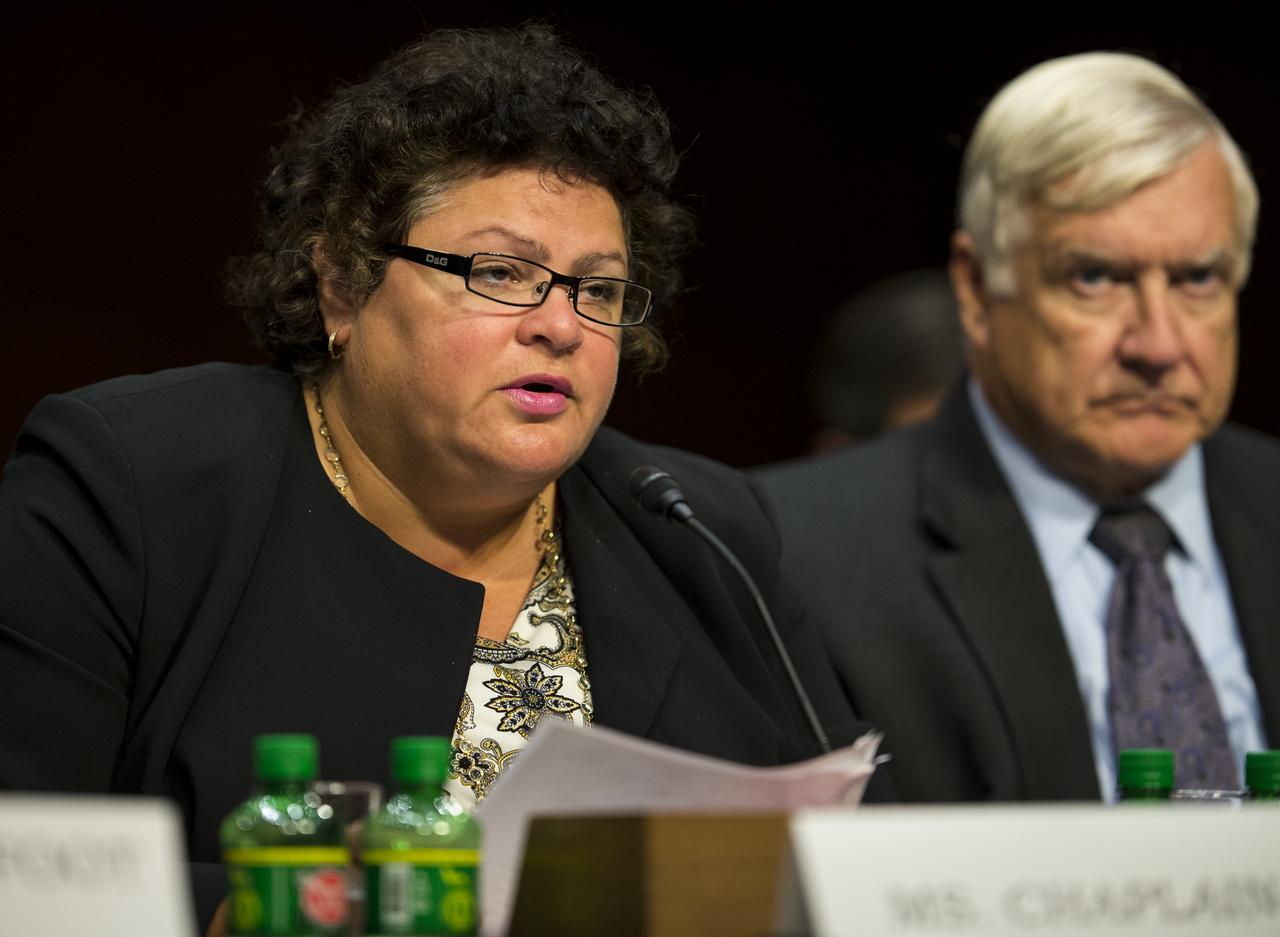
The Defense Office of Prepublication and Security Review (DOPSR) systematically obstructs the free flow of UAP-related information. This bureaucratic chokepoint prevents cleared individuals from speaking publicly without extensive, often weaponized, government review. The process creates a chilling effect across the intelligence community and Department of Defense.
DOPSR's Pervasive Reach and Purpose
DOPSR's mandate is to prevent the unauthorized disclosure of classified national security information. All current and former DoD and intelligence community personnel with access to classified data are subject to prepublication review. This includes any public communication, from book manuscripts and academic papers to social media posts and media interviews. The system, in theory, protects national security. In practice, it offers a powerful mechanism for controlling narratives and silencing dissent, particularly on sensitive topics like UAP programs.
The review process can take months or even years. Content is often heavily redacted or outright denied publication. This delay and uncertainty discourage individuals from even attempting to share information. The implicit threat of legal action for non-compliance looms over every potential disclosure.
The Grusch Precedent and its Implications
David Grusch stands as a prime example of DOPSR's operational impact. His 2023 congressional testimony, vetted by the Intelligence Community Inspector General (ICIG) as 'credible and urgent,' still underwent DOPSR review. Grusch publicly detailed the intense scrutiny and alleged retaliation he faced, including DOPSR's direct involvement in attempts to control his narrative. He explicitly stated that DOPSR was used to prevent him from sharing specifics about non-human intelligence and alleged illegal UAP reverse-engineering programs. This underscores DOPSR's potential as a tool for suppression, not merely classification management. Grusch's struggle highlights how difficult it is for even high-level whistleblowers to navigate this system successfully.
The Chilling Effect on Other Witnesses
Grusch is not an isolated case. Numerous other potential witnesses, both named and anonymous, report similar experiences or the fear of engaging with DOPSR. Former intelligence officers like Luis Elizondo and Christopher Mellon have spoken extensively about the pervasive culture of secrecy and the risks associated with stepping forward. The threat of losing pensions, security clearances, or facing legal repercussions is a powerful deterrent. This institutional barrier ensures that many first-hand accounts of UAP encounters, retrieved materials, or alleged reverse-engineering efforts never reach the public domain. It creates an environment where only carefully curated or highly sanitized information is permitted, if any.
The system actively disincentivizes compliance with legislative efforts aimed at UAP transparency. The 2024 National Defense Authorization Act's UAP Disclosure Act, championed by Senators Schumer, Rounds, and Gillibrand, included provisions for a UAP Records Review Board. This board was designed to facilitate the declassification and release of UAP records. However, DOPSR's independent and often opaque review process can still bottleneck individual testimonies and internal documents, even those potentially slated for review by such a board. The intent of Congress to foster transparency is often undermined by entrenched bureaucratic processes.
Legislative Attempts and Future Outlook
Efforts to reform or bypass DOPSR in the context of UAP disclosure have met with limited success. While the UAP Disclosure Act provided some mechanisms, it did not fundamentally alter DOPSR's prepublication authority over individuals. Congressional intelligence committees remain aware of DOPSR's gatekeeping role. Future legislation may need to specifically address DOPSR's power to impede UAP whistleblower testimony. This could involve creating specific carve-outs or independent review processes for UAP-related information that has been deemed credible by oversight bodies like the ICIG.
Without significant structural reform, DOPSR will continue to function as a primary obstacle to public understanding of the UAP phenomenon. The current system prioritizes control over transparency, effectively silencing vital first-hand accounts.